
Mastering Communication: Unlock the Secrets of Body Language in Relationships
- Daphne Balcazar
- Mar 8
- 3 min read

Communication is the foundation of any strong relationship. While words carry meaning, much of what we express happens without speaking. Body language reveals feelings, intentions, and reactions that words sometimes hide or fail to capture. Learning to read and respond to these nonverbal signals can transform how partners connect, resolve conflicts, and deepen their bond.
Understanding body language is not about guessing or assuming. It’s about paying attention to subtle cues and responding with empathy and clarity. This guide explores how couples can improve communication by tuning into each other’s body language and using it to build trust and intimacy.

Why Body Language Matters in Relationships
Words only tell part of the story. Research shows that up to 70% of communication is nonverbal. Facial expressions, posture, gestures, and eye contact all convey emotions and attitudes. When partners miss these signals, misunderstandings arise, leading to frustration and distance.
For example, a partner might say “I’m fine” but avoid eye contact, cross their arms, or turn away. These signs suggest discomfort or disagreement despite the words. Recognizing this mismatch helps couples address underlying issues rather than ignoring them.
Body language also helps express feelings that are hard to put into words, such as affection, nervousness, or hesitation. When partners become fluent in these signals, they can respond more sensitively and avoid unnecessary conflicts.
Common Body Language Signals to Watch For
Learning to read body language starts with observing key signals that often appear in relationships:
Eye contact
Steady eye contact shows interest and honesty. Avoiding eyes can indicate discomfort, guilt, or disinterest.
Facial expressions
Smiles, frowns, raised eyebrows, and tightened lips reveal emotions like happiness, surprise, anger, or sadness.
Posture
Open posture (uncrossed arms, facing partner) signals openness and willingness to engage. Closed posture (crossed arms, turned away) suggests defensiveness or withdrawal.
Touch
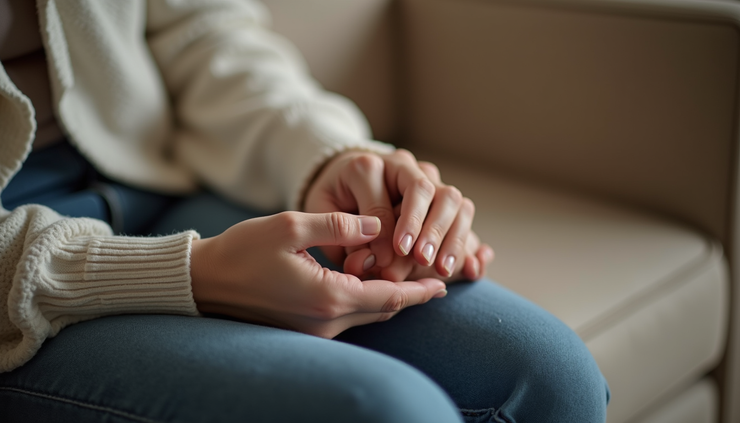
Gentle touches, holding hands, or leaning in express warmth and connection. Pulling away or stiffening may indicate discomfort or tension.
Gestures
Nodding encourages conversation, while tapping fingers or fidgeting can show impatience or anxiety.
By paying attention to these signals, partners can better understand each other’s feelings and intentions beyond spoken words.
How to Use Body Language to Improve Communication
Reading body language is only half the process. Using your own nonverbal cues effectively can strengthen your message and foster connection.
Match your words with your body
Ensure your tone, facial expressions, and posture align with what you say. For example, expressing concern with a soft voice and open posture makes your message more believable.
Mirror your partner’s body language
Subtly copying your partner’s gestures or posture can build rapport and make them feel understood.
Use touch thoughtfully
A reassuring touch on the arm or a hug can calm tension and show support during difficult conversations.
Maintain appropriate eye contact
Look into your partner’s eyes to show attention but avoid staring, which can feel intimidating.
Be aware of your breathing and tone
Calm, steady breathing and a gentle tone help keep conversations peaceful and productive.
Practical Examples of Body Language in Relationship Scenarios
Resolving Conflict
Imagine a couple discussing a disagreement. One partner crosses their arms and avoids eye contact while the other speaks. This posture signals defensiveness and unwillingness to engage. The speaking partner can pause, soften their tone, and invite openness by saying, “I want to understand how you feel. Can we talk about this together?” Meanwhile, the defensive partner can try uncrossing their arms and making eye contact to show willingness to listen.
Expressing Affection
During a quiet moment, one partner reaches out to hold the other’s hand or gently touches their shoulder. This nonverbal gesture communicates care and reassurance without words. The receiving partner can respond by leaning in or smiling, reinforcing the connection.
Showing Support
If a partner seems anxious or upset, noticing their tense posture or fidgeting can prompt a comforting response. Saying, “I see you’re feeling stressed. I’m here for you,” while offering a hug or sitting close can provide emotional safety.
Tips for Becoming More Attuned to Body Language
Practice mindfulness
Pay attention to your partner’s nonverbal signals during everyday interactions without judgment.
Ask for feedback
If unsure about a signal, gently ask your partner what they are feeling to avoid misinterpretation.
Observe yourself
Notice your own body language and how it affects your partner’s reactions.
Learn together
Discuss body language cues as a couple and share what makes each of you feel safe and understood.
Be patient
Developing this skill takes time and practice. Celebrate small improvements in your connection.


Comments